Comprar en pozoBuying off-plan
Dónde va tu plata cuando comprás en pozo
Comprar en pozo es pagar por algo que todavía no existe. La forma de perderle el miedo es entender el recorrido de cada dólar.
Where your money goes when you buy off-plan
Buying off-plan means paying for something that doesn’t exist yet. The way to lose the fear is to understand where every dollar goes.
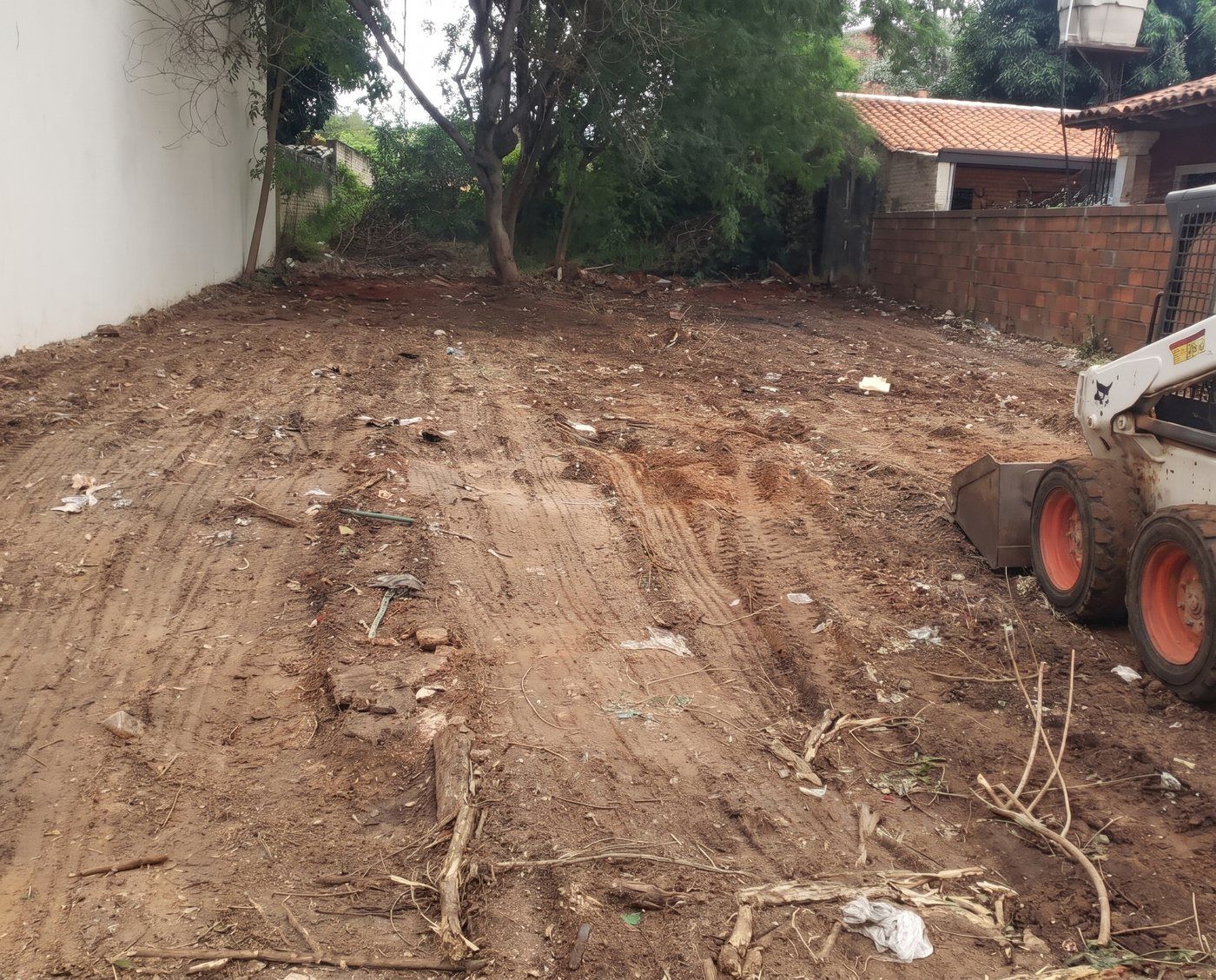
Los cuatro pasos de una compra en pozo
Reserva
Una seña chica congela el precio y la unidad por un plazo corto, en general 30 días. Tenés que recibir un documento firmado que diga qué unidad, a qué precio, hasta cuándo y en qué casos te devuelven la seña.
Boleto de compraventa
Es el contrato de verdad. Fija precio, plan de pagos, fecha estimada de entrega, plazo de gracia, penalidades y qué pasa si alguna de las partes no cumple. Se firma ante escribano. Leélo entero.
Pagos durante la obra
Según el plan, pagás una entrega y cuotas mientras se construye. Cada pago tiene que tener un comprobante a tu nombre: factura o recibo. Sin comprobante, no existe.
Entrega y escritura
Al terminar la obra recibís la unidad y, con el reglamento de copropiedad inscripto, se firma la escritura a tu nombre. Recién ahí sos dueño registral.
Tres reglas para tu plata
- Siempre con comprobante. Cada pago, por transferencia o en efectivo, tiene que quedar documentado con un recibo o una factura a tu nombre, con fecha y monto. Es tu respaldo el día que necesites demostrar cuánto pagaste.
- Siempre a la cuenta de la empresa que firma el boleto. No a la cuenta personal de un socio, de un vendedor ni de un broker.
- Siempre con concepto. "Cuota 3, unidad 203" en la transferencia te ahorra discusiones dentro de dos años.
Qué te van a pedir a vos
En Paraguay, la Ley 1015/97 y las normas de la SEPRELAD obligan a quien vende inmuebles a identificar al comprador y conocer el origen de los fondos. Por eso te van a pedir copia de tu documento, una declaración jurada y, en operaciones grandes, un respaldo del origen del dinero.
Si comprás desde el exterior
Te ayudamos a encontrar la forma más eficiente de hacer tu pago, con los menores costos bancarios y de transferencia posibles. La firma del boleto puede hacerse en persona o mediante un poder otorgado en tu país; te indicamos los requisitos según tu caso.
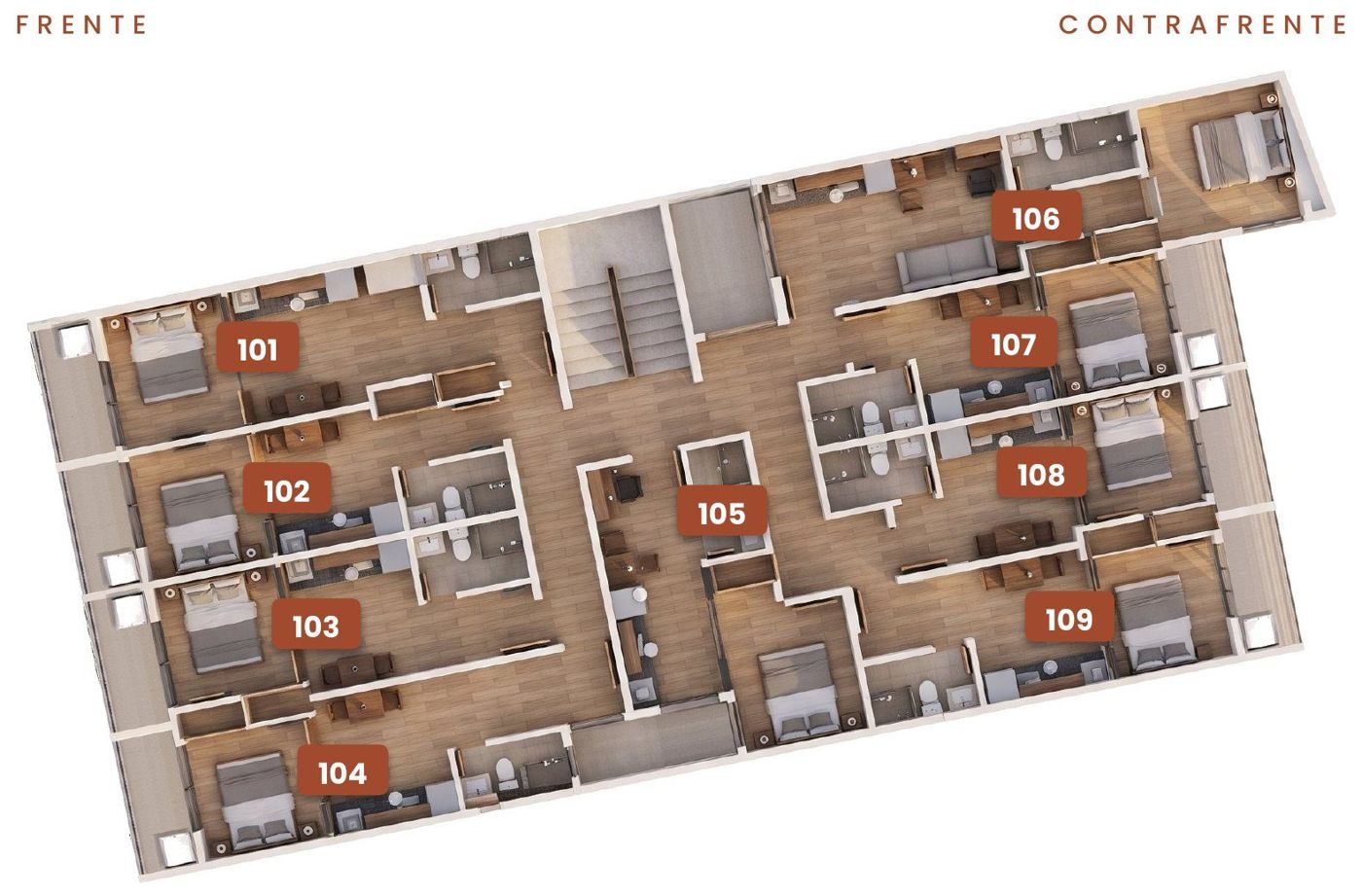
Qué te protege
La Ley 1334/98 de Defensa del Consumidor te cubre frente a cláusulas abusivas y publicidad engañosa. El boleto firmado ante escribano es un título ejecutable. Y la documentación de la empresa (título del terreno, permisos, RUC) es verificable y debe estar a disposición del inversor.
Te puede interesar¿Qué pasa si la obra no se termina a tiempo? ›The four steps of an off-plan purchase
Reservation
A small deposit locks the price and the unit for a short period, usually 30 days. You should receive a signed document stating which unit, at what price, until when and in which cases the deposit is refunded.
Purchase agreement
This is the real contract. It sets the price, payment plan, estimated delivery date, grace period, penalties and what happens if either party doesn’t comply. It is signed before a notary. Read all of it.
Payments during construction
Depending on the plan, you pay a down payment and installments while the building goes up. Every payment must have a receipt in your name: an invoice or a receipt. Without one, it didn’t happen.
Handover and deed
When construction ends you receive the unit and, once the condominium bylaws are registered, the deed is signed in your name. Only then are you the registered owner.
Three rules for your money
- Always with a receipt. Every payment, by transfer or in cash, must be documented with a receipt or invoice in your name, with date and amount. It’s your proof the day you need to show how much you paid.
- Always to the account of the company that signs the agreement. Never to the personal account of a partner, a salesperson or a broker.
- Always with a reference. “Installment 3, unit 203” on the transfer saves you arguments two years from now.
What you’ll be asked for
In Paraguay, Law 1015/97 and SEPRELAD regulations require anyone selling real estate to identify the buyer and know the source of funds. That’s why you’ll be asked for a copy of your ID, a sworn statement and, for large transactions, proof of the source of funds.
If you’re buying from abroad
We help you find the most efficient way to make your payment, with the lowest possible bank and transfer costs. The purchase agreement can be signed in person or through a power of attorney granted in your country; we’ll walk you through the requirements for your case.
What protects you
Paraguay’s Consumer Protection Law 1334/98 covers you against abusive clauses and misleading advertising. A purchase agreement signed before a notary is an enforceable instrument. And the company’s documentation (land title, permits, tax ID) is verifiable and should be available to the investor.
You may also likeWhat happens if construction isn’t finished on time? ›