DemandaDemand
¿Y si no se alquila? Vacancia, demanda y meses vacíos
Ningún departamento está alquilado el 100% del tiempo. La pregunta correcta no es si va a quedar vacío, sino cuánto y por qué.
What if it doesn’t rent? Vacancy, demand and empty months
No apartment is rented 100% of the time. The right question isn’t whether it will sit empty, but for how long and why.
Qué es la vacancia y cómo se calcula
Vacancia es el tiempo que el departamento no genera renta: entre un inquilino y el siguiente, o cuando no aparece ninguno. Se mide en porcentaje del año. Toda proyección de renta seria tiene que decir qué vacancia supone. Si no lo dice, el número está inflado.
| 5% de vacancia | unos 18 días vacíos por año |
|---|---|
| 10% de vacancia | unos 36 días |
| 15% de vacancia | casi dos meses |
De qué depende que se alquile rápido
De tres cosas, en este orden: que haya gente buscando en esa zona, que el precio esté alineado con lo que esa gente paga, y que el departamento sea lo que esa gente necesita. Un dos dormitorios de lujo en una zona de estudiantes se alquila lento. Un monoambiente funcional y equipado a cinco cuadras de la facultad, no.
La demanda en Mariano Roque Alonso, con fuentes
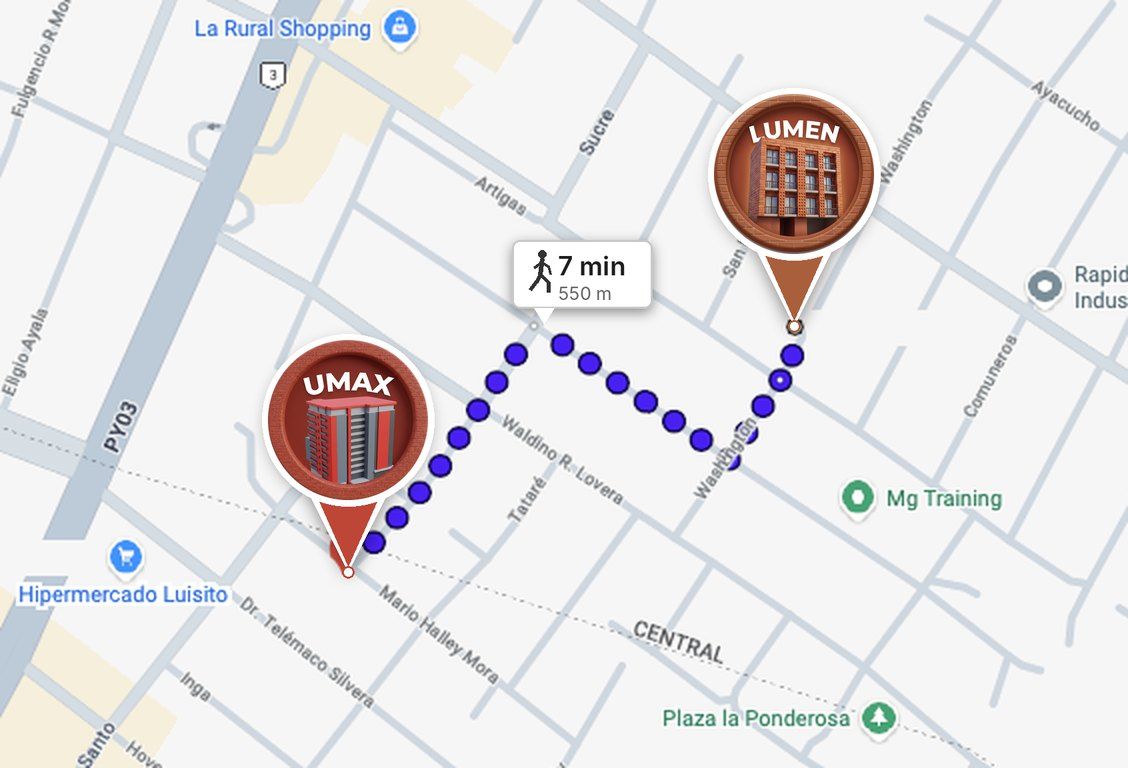
Entre Asunción y el departamento Central estudian unos 16.000. La carrera dura seis años: cada año ingresa una camada nueva que necesita dónde vivir, y la mayoría llega sin auto. La distancia caminando a la facultad define dónde alquilan.
Son datos públicos. Te invitamos a verificarlos.
No solo estudiantes
Un departamento pequeño y bien ubicado también se alquila a trabajadores jóvenes, personal de salud, parejas sin hijos y empleados de empresas que trabajan en la zona. Es una demanda que viene creciendo y que le da al inversor una segunda opción de inquilino.
Cómo protegerte
- Proyectá con vacancia. Nosotros usamos 95% de ocupación, es decir, casi tres semanas vacías por año.
- Consultá con una inmobiliaria de tu confianza cuánto tardan en promedio en alquilar sus unidades en la zona.
- Preferí contratos anuales alineados con el calendario académico: el recambio se concentra en enero y julio, y el resto del año es estable.
What vacancy is and how it’s calculated
Vacancy is the time an apartment earns no rent: between one tenant and the next, or when no one turns up. It’s measured as a percentage of the year. Any serious rental projection has to state the vacancy it assumes. If it doesn’t, the number is inflated.
| 5% vacancy | about 18 empty days a year |
|---|---|
| 10% vacancy | about 36 days |
| 15% vacancy | almost two months |
What makes a unit rent quickly
Three things, in this order: people looking in that area, a price in line with what those people pay, and a unit that is what they need. A luxury two-bedroom in a student area rents slowly. A functional, equipped studio five blocks from campus doesn’t.
Demand in Mariano Roque Alonso, with sources
About 16,000 of them study in Asunción and the Central department. The degree takes six years: every year a new class arrives that needs somewhere to live, and most come without a car. Walking distance to campus decides where they rent.
This is public data. We invite you to check it.
Not just students
A small, well-located apartment also rents to young professionals, healthcare workers, couples without children and employees of companies operating in the area. It is a growing demand that gives investors a second type of tenant.
How to protect yourself
- Project with vacancy. We use 95% occupancy, which means almost three empty weeks a year.
- Ask a real estate agency you trust how long it takes them, on average, to rent units in the area.
- Prefer annual leases aligned with the academic calendar: turnover concentrates in January and July, and the rest of the year is stable.